From Seven Pupils to 182: The Teacher Who Refused to Let a Community School Die
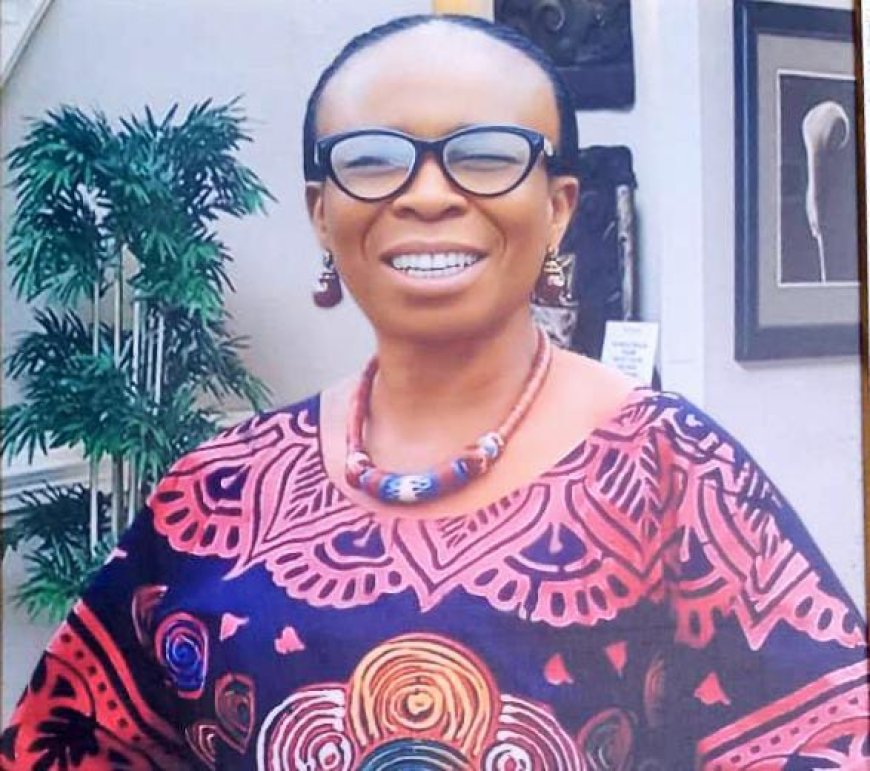
Located in the Mbaitoli Local Government Area of Imo State, Primary school Alaenyi Ogba is a school that was almost dead, but witnessed a remarkable revival, thanks to the efforts of one woman, Lady Julian Onuoha, who refused to give up.

FROM SEVEN PUPILS TO 182: THE TEACHER WHO REFUSED TO LET A COMMUNITY SCHOOL DIE
By Rosemary Nwaobasi Ikpegbu
When Lady Julian Onuoha returned to Primary School Alaenyi Ogba in Mbaitoli Local Government Area of Imo State on October 17, 2021, she was returning to a school she already knew. But what she found was far worse than what she had left behind.
The school, established in 1952, had deteriorated over the years.
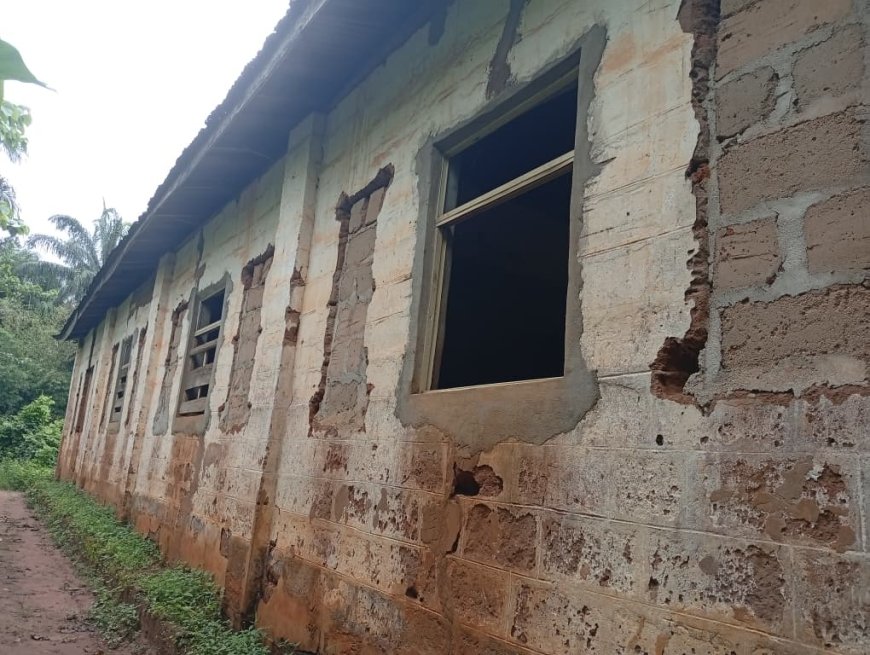
Some classrooms were in poor condition, roofs leaked when it rained, windows were damaged and the school environment had become increasingly unconducive for learning. At the lowest point, only seven pupils remained in the school. There were also just two teachers. Parents who had lost confidence in the school began withdrawing their children and enrolling them elsewhere.
For Lady Julian, however, the seven pupils were not a reason to give up. They were a reason to begin.
Today, school records show that the population has risen from seven to 182 pupils.
The remarkable increase has brought new life to the school, but it has also exposed a difficult question: can a revival driven largely by one teacher and community support survive without sustained government intervention?
A SCHOOL SHE ALREADY KNEW
Lady Julian’s relationship with Primary School Alaenyi Ogba goes back to 2020, when she was posted there during a statewide teacher transfer exercise. She spent about three months in the school. During that period, she discovered a survey plan of the school among the rubbish while pupils were cleaning an area being used as the head teacher’s office and store.
She also found desks and tables that had been abandoned.
She bought screws and a screwdriver and worked with some of the pupils to repair them.
According to her, by the time she left, the classrooms had enough desks and tables for the pupils.
But when she returned later, the improvements she had made were no longer there. She describes her return as her second “missionary journey.” This time, she was determined to stay and rebuild the school.
SHE CHOSE THE SCHOOL THAT NEEDED HER
Lady Julian had another option.
At the time she returned to the school, she was a former Chairman of the Nigeria Union of Teachers, NUT, Imo State chapter, and had held a position that gave her the opportunity to serve in a more central and comfortable location. She had been expected to take up a posting at Owerri Girls Secondary School. Instead, she chose to return to the rural school.
She had previously worked at another community school where she helped increase enrolment significantly. She believed Primary School Alaenyi Ogba could experience the same transformation. But she had to start almost from scratch.
STARTING WITH WHAT SHE HAD
When she returned on October 17, 2021, the school had only seven pupils. The number of teachers was also critically low. But Lady Julian did not begin with promises of a new building. She began with what she could control. Some of the classrooms had open windows through which people could enter.
She hired a carpenter to construct wooden coverings for the windows of the classrooms being used. She provided some of the wood from home and paid the carpenter about ₦30,000 in labour over three visits. She also changed the pupils’ school uniforms.
The pupils now have a variety of school uniforms - physical education uniforms and traditional attire for Fridays, with same items designed to reduce the financial burden on parents.
She introduced and encouraged extracurricular activities several times a week because, in her view, children needed reasons to enjoy coming to school.
She also called parents together and began rebuilding the relationship between the school and the community. Inside the school, she introduced demonstration lessons, allowing teachers to teach one another and improve their teaching methods.
For Lady Julian, being a head teacher does not mean staying away from the classroom. When she notices that a teacher is struggling to explain something to pupils, she steps in to support the teacher. She encourages teachers to learn from one another and believes children learn better when lessons are practical and child-centred. And she insists on leading by example. She says she makes herself available in school so that her teachers know that their head teacher is present and committed.
WHEN THE CHILDREN CAME BACK
The change was gradual. But parents began noticing it. And more Children began returning. The school became more active. Within the period covered by the school’s records, enrolment rose from seven pupils to 182. The increase was a dramatic reversal of the school’s decline. But it also created another problem: the school now had more pupils than the available workforce could comfortably handle.
THE TEACHER SHORTAGE QUESTION
Teacher shortage is not peculiar to Primary School Alaenyi Ogba.
Nneoma Amamasi, Education Secretary of the Mbaitoli Local Government Education Authority, says retirements and teacher movements have contributed to shortages in the system. She says the local education authority has responded by providing teachers to the school.
According to Amamasi, an additional teacher was sent to the school, while more teachers are expected to be deployed during subsequent teacher transfers. But the growing population means the school still needs more hands.
Lady Julian has therefore employed another teacher and pays the teacher’s salary personally. It is one of the clearest examples of the personal cost of the school’s revival.
A teacher, Ihenmadu Levi, who witnessed the school when the population was still only seven, also saw the transformation as children began returning and parents regained confidence in the school. But without enough teachers, the very success that brought the pupils back could eventually place additional pressure on the existing staff.
THE PARENTS WHO LEFT AND CAME BACK
For parents, the transformation is not measured only in enrolment figures. They see it in their children. Mrs. Miracle Jane Ojiako withdrew her children from the school because she was not seeing the kind of education she expected. She complained about the lack of discipline, poor conditions and inadequate teaching. She eventually brought her children back after seeing a noticeable change in the pupils. One of her children, now in Primary 3, can read, something she says was not the case before. The child also speaks English better and answers questions more confidently. For Ojiako, these changes were enough to restore her confidence.
Ugochi Iwuji, another parent, has four children in the school. She had also withdrawn them. At times, she says, she would visit the school and find only one teacher attending to the pupils. She eventually enrolled her children in a private school within the community.
But after Lady Julian arrived, she began noticing a difference. She would meet pupils after school and ask them questions. She noticed that they spoke more confidently and appeared to understand what they were being taught. She brought her children back. Now, she says, her children do their homework independently, are eager to go to school and respond more confidently when asked questions. But she remains concerned about the condition of the school buildings.
Chinyere Iwuoha, who has three children in the school, tells a similar story. She withdrew her children when the number of teachers dwindled to the point where only one teacher was handling the pupils alongside the head teacher. Her first daughter had previously attended the school and performed well, but she says the number of teachers later reduced until the school was left with only one teacher and the head teacher. She already knew Lady Julian’s capacity because Lady Julian had taught one of her children at another school.
So, when she saw her take charge of Primary School Alaenyi Ogba, she was confident that things could change. She brought her children back. Today, she says, they do their homework without being asked. But she too wants government to send more teachers and repair the school buildings.
The fourth parent interviewed for this report, Miracle Onwuzuruike similarly described the renewed confidence that followed the changes in teaching and learning. For these parents, the decision to return their children was not based on promises. It was based on what they could see.
A SCHOOL THE COMMUNITY REMEMBERS
Primary School Alaenyi Ogba is located in Alaeze Ogba, a community carved out of Alaenyi Ogba. Although the community now answers Alaeze Ogba, the school has retained the name Primary School Alaenyi Ogba. For older residents, the school represents a significant part of the community’s history.
High Chief Innocent Ikechukwu Onyeji, former President General of the community, attended the school. He remembers a time when the school was filled with pupils and its surroundings were used for sporting activities.
Austin Nwanjoku, Chairman of the Alaeze Council of Chiefs, also attended the school. He recalls leaving the school in 1970 after Primary Three.
Both men describe a school very different from the one that later fell into decline. According to Onyeji, the school was originally owned and managed by St. Joseph Catholic Church. He remembers the church as having maintained the school effectively. But, he says, the situation changed after government took over the administration of schools. He believes rural schools gradually received less attention, allowing infrastructure and enrolment to deteriorate.
The community leaders recall an intervention during the administration of former Governor Rochas Okorocha as the last significant government intervention they remember. According to both leaders, about ₦1.5 million was spent on repairs, including doors, windows and other parts of the school. Since then, they say, there has been no comparable government intervention in the school.
A COMMUNITY THAT REFUSED TO LOOK AWAY
Even as government support remained limited, the community continued to do what it could. High Chief Onyeji says the community has contributed to clearing and maintaining the school environment. Residents have helped clear overgrown areas and keep the surroundings usable. The renewed commitment of the community has also encouraged individuals to contribute.
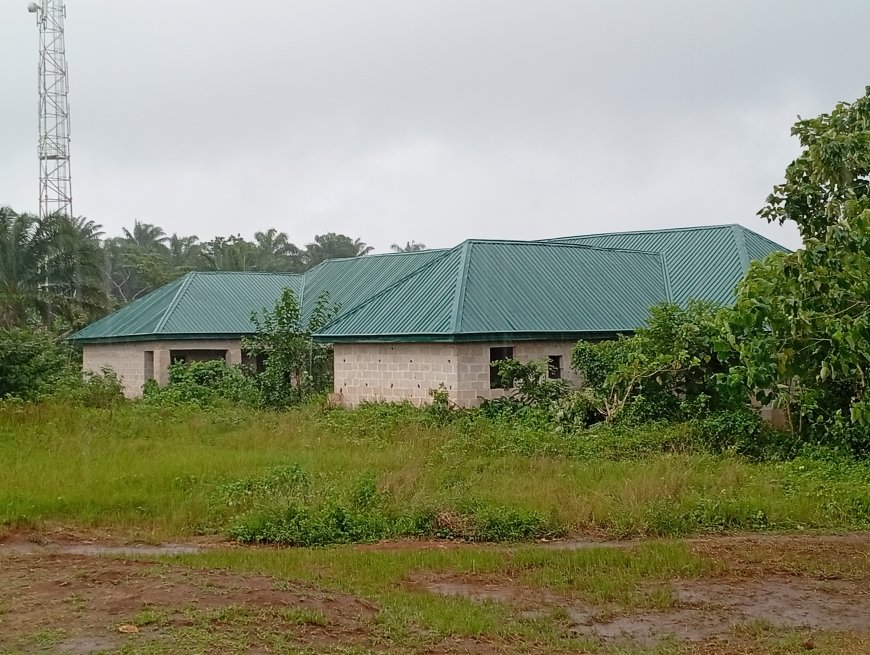
An indigene, Mr. Ugochukwu Nwachukwu, has begun constructing a building that could provide additional space for the school. The community’s support, however, is not presented as a substitute for government responsibility. It is a response to a gap that residents say has existed for years.
THE COUNCILLOR SEES A TURNAROUND
The Councillor representing Ogba Ward, Hon. Lawrence Oguamalam, also acknowledges the change taking place in the school. He attributes the transformation in large part to committed leadership and says Lady Julian has changed the narrative around the school. For him, the challenge now is to consolidate the progress. The school has demonstrated that enrolment can return when parents regain confidence. The next challenge is ensuring that infrastructure and staffing keep pace with that growth.
GOVERNMENT ACKNOWLEDGES HER SACRIFICE
Nneoma Amamasi, the Education Secretary of the Mbaitoli Local Government Education Authority, describes Lady Julian as committed, hardworking and dedicated. She acknowledges the changes taking place in the school and says Lady Julian deserves recognition for her efforts. Amamasi also confirms that
Lady Julian personally employs a teacher. She says the local education authority is working to provide additional teachers and sustain teaching and learning in the school. She further explains that government intervention in schools are being carried out gradually, pointing to renovation work in other schools, including Obilibi Primary School, where new classrooms have been built.
But Primary School Alaenyi Ogba still requires attention.
The classrooms need repairs.
Some roofs leak.
The head teacher does not have a proper office.
And the growing number of pupils requires more teachers.
THE AWARD SHE RECEIVED
Lady Julian’s leadership had already attracted recognition before the latest phase of the school’s revival. On March 11, 2026, the Nigeria Labour Congress, NLC, Imo State Council, honoured her with an “Award of Honour Gender Supportive Chairperson.” The award recognised her “selfless contribution and support to women in trade unions in Imo State.” At the time she received the award,
Lady Julian was serving as Chairman of the Nigeria Union of Teachers, NUT, Imo State chapter. The award was therefore for her leadership and support for women in the trade union movement, not specifically for her work at Primary School Alaenyi Ogba. But it adds another dimension to the story of a woman who had already demonstrated leadership before choosing to return to a struggling rural school.
A REVIVAL WITH A QUESTION MARK
Primary School Alaenyi Ogba now has what it did not have when Lady Julian returned: children.
Lots of them.
But the school does not yet have everything it needs to support them.
The buildings remain deteriorated.
Some roofs still leak.
The need for teachers remains.
The head teacher still requires a proper office.
And the community continues to carry the burden of maintaining the environment.
It is however, not enough. The transformation therefore presents a paradox. The school has succeeded in attracting children back, but its physical and human resources have not fully caught up with its success. The parents have done their part by returning their Wards.
Lady Julian has done hers by rebuilding confidence. The community has contributed what it can. The question now is whether government intervention will match the scale of the revival. SEVEN CHILDREN
WERE ENOUGH TO BEGIN
Lady Julian’s work began with seven pupils.
She did not have a new school building.
She did not have enough teachers.
She did not have unlimited resources.
What she had was a conviction that the school could be better.
So, she began with what was within her reach.
She repaired windows.
She fixed desks.
She changed uniforms.
She introduced physical education.
She worked with teachers.
She engaged parents.
She paid another teacher from her own pocket.
And she showed up. Again and again.
The result is now visible in the children.
A Primary 3 pupil who could not read before can now read.
Children who once struggled with their schoolwork are now doing assignments independently.
Pupils who were once withdrawn from the school are returning.
And a compound that once echoed with the silence of seven pupils now holds more than 180 children.
And at the centre of that change is Lady Julian Onuoha; a teacher who could have chosen a more comfortable posting but instead returned to a struggling community school and refused to let it die.
Because Primary School Alaenyi Ogba is no longer a school of seven pupils.
It is a school of 182 children and behind every one of those children is a family that has chosen to believe in public education again. Lady Julian may have reopened the door.
The children have walked through it. What happens next will determine whether that door remains open.
Photos by Rosemary Nwabasi Ikpegbu:
- New school blocks donated by Mr Ugochukwu Nwachukwu
- Old school block

Posted by omalicha
View author profileRelated Posts
by omalicha
Dec 27, 2025
Onwa Dezemba': Through Masquerade Theatres, Anambr...
In Anambra State this Yuletide, residents and visitors alike are being offered precisely such historical exper...
by omalicha
Jun 15, 2026
Burning Trash in Owerri: How Open Waste Burning Th...
For many residents of Owerri, this has become a routine response to a stubborn problem. But a routine practice...

by omalicha
Jun 15, 2026
Bins, Drains, Action: Azaraegbelu’s Fight for a Cl...
For the community, distance, time and cost push many to choose convenience over proper disposal. Without wast...